

The UK Cold Weather Payment is a vital winter support scheme designed to help low-income households cope with extra heating costs during periods of severe cold. When temperatures drop to freezing levels for several consecutive days, eligible households automatically receive financial support without needing to apply.
This system plays a crucial role in protecting vulnerable people, particularly pensioners, disabled individuals, and families on certain benefits, from the rising cost of living during winter.
Understanding how the scheme works, who qualifies, and when payments are triggered helps households feel more financially secure when cold weather hits.
What Is the UK Cold Weather Payment?
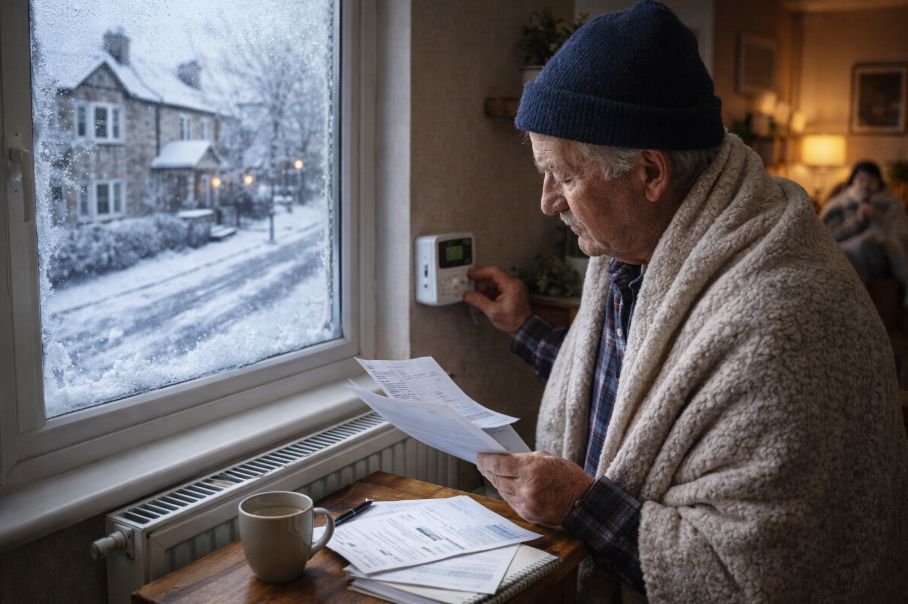
The Cold Weather Payment is a government-backed support measure created to offset the unavoidable rise in household energy usage during cold spells. It exists because low-income households are disproportionately affected by sudden temperature drops, often having limited flexibility to absorb higher heating bills.
The scheme is designed to act as an immediate buffer, ensuring people can heat their homes adequately without sacrificing other essentials such as food or transport.
By linking payments directly to weather conditions rather than applications, the system ensures support is both timely and accessible, particularly for those who may struggle with complex benefit processes.
How Does the Cold Weather Payment Get Triggered?
Cold Weather Payments are triggered using temperature data from local weather stations rather than national forecasts. If the average temperature in a specific postcode area is recorded as zero degrees Celsius or below for seven consecutive days, the payment is activated for eligible households in that area.
This localised approach ensures that support reflects real conditions on the ground, acknowledging that some regions experience harsher winters than others. Once triggered, the payment process is automatic, meaning households do not need to report the cold weather themselves or contact the DWP to receive support.
Who Is Eligible for the Cold Weather Payment?
Eligibility for the Cold Weather Payment is determined by the type of benefit a household receives and specific personal circumstances linked to vulnerability. The scheme prioritises those who are more likely to face health risks or financial hardship during cold weather.
Households most likely to qualify include:
- Pensioners receiving Pension Credit
- Universal Credit claimants with limited capability for work or work-related activity
- Families with young children or disabled children on qualifying benefits
- Individuals receiving income-based ESA, JSA, or Income Support with additional premiums
By focusing eligibility in this way, the scheme ensures resources are directed toward households where cold weather presents both financial and wellbeing risks.
How Much Is Paid and When Can Households Expect It?
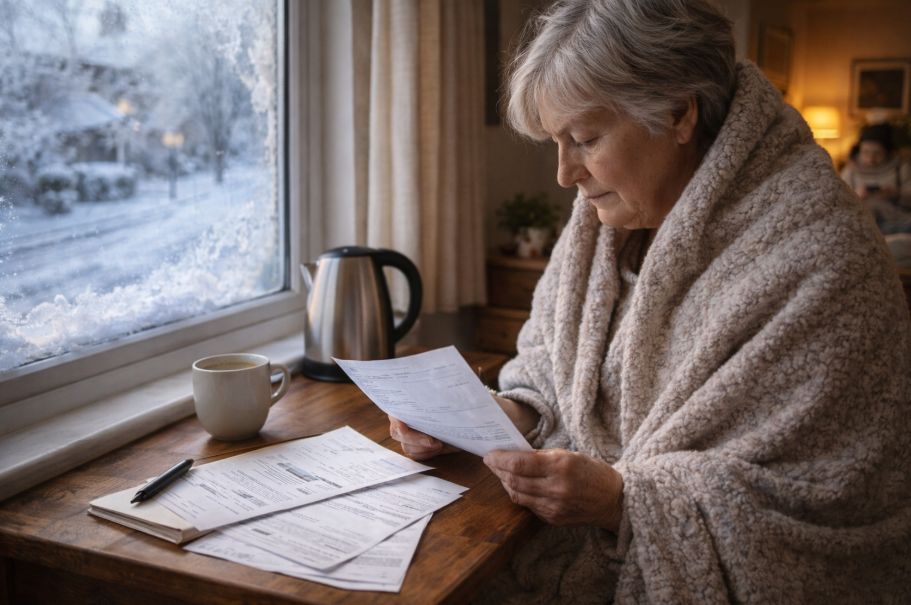
Each Cold Weather Payment provides a fixed amount for every qualifying seven-day period of severe cold. If multiple cold spells occur in a single winter, households may receive several payments.
These payments are usually issued within around 14 days of the cold period ending and are deposited directly into the same bank account as the claimant’s existing benefits.
Importantly, Cold Weather Payments are tax-free, do not affect benefit entitlements, and do not need to be repaid. This makes them a dependable and straightforward form of financial support during unpredictable winter conditions.
How Do Recent Cold Weather Triggers Affect UK Households?
Recent winters have shown how frequently extreme cold can affect large parts of the UK simultaneously. During particularly severe cold periods, dwp triggered cold weather payments for over a million uk households, highlighting just how widespread reliance on this support has become.
These large-scale triggers underline the importance of the scheme as a rapid-response safety net. For many households, the payment arrives at a critical moment, helping to cover higher gas and electricity usage exactly when energy demand peaks.
How Does the Cold Weather Payment Compare to Other Winter Support Schemes?
The Cold Weather Payment is part of a broader network of winter support measures, each serving a slightly different role. While some schemes provide predictable annual assistance, others respond dynamically to changing circumstances.
Before comparing them directly, it’s important to understand that Cold Weather Payments are unique because they are weather-triggered rather than calendar-based.
| Winter Support Scheme | How It Works | Who It Helps Most |
| Cold Weather Payment | Activated by sustained freezing temperatures | Low-income households during severe cold |
| Winter Fuel Payment | Paid annually based on age | Older people and pensioners |
| Household Support Fund | Discretionary council support | Households facing short-term hardship |
Together, these schemes form a layered safety net, with the Cold Weather Payment acting as a responsive tool that complements longer-term winter assistance.
Conclusion
The UK Cold Weather Payment remains a crucial form of protection for low-income households during periods of extreme cold.
By linking financial support directly to local weather conditions and delivering payments automatically, the scheme removes barriers that often prevent vulnerable people from accessing help.
When combined with other winter support measures, it helps ensure households can stay warm, safeguard their health, and manage essential costs during the harshest parts of the winter season, exactly when support matters most.